2 Guys and a Chainsaw

Tagged: comedy

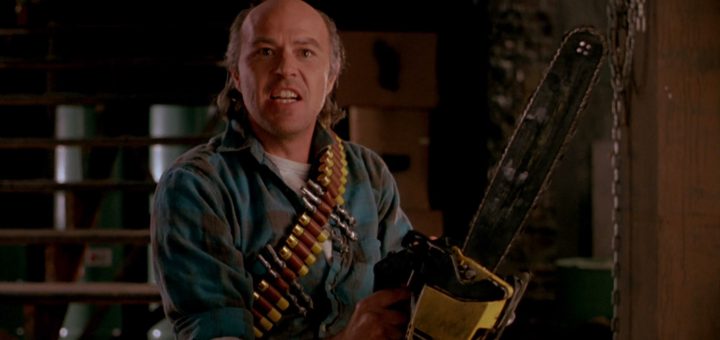
A man in a plaid shirt with a shotgun shell bandolier holds a large chainsaw indoors, looking intensely forward. Cardboard boxes and stairs are visible in the background. 0

Phantasm II

We talk about Bannister’s unique career and background and how Reggie evolves here into a more action-hero figure. We break down how Universal’s higher budget and studio demands changed the sequel’s tone—more linear, more action-driven, recasting Mike, and adding love interests—while losing some of the original’s dreamlike surreal horror. We discuss the road-trip structure, psychic subplot, mixed lore elements, standout practical effects, memorable set pieces, and the ending’s reset, plus where the series goes next and why we might revisit later entries like Ravager.
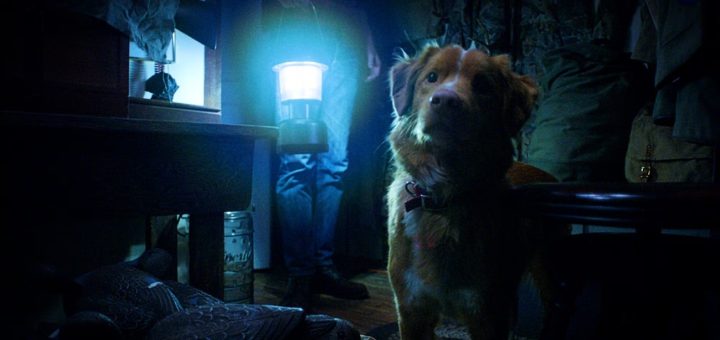
A dog with reddish fur stands indoors, looking up. Behind it, a person holds a bright lantern, casting a blue light in a dimly lit room filled with furniture and bags. 0

Good Boy

With that out of the way, we dig into 2025’s Good Boy, a low-budget haunted-house horror told largely from a dog’s perspective, and talk about why it’s basically 75 minutes of being up close with Indie (and why that’s either a feature or a bug). We cover the film’s SXSW buzz, long shoot with an untrained dog, and surprising box office success, then unpack what worked for us: the eerie atmosphere, subtle shadowy scares, dream/vision sequences, and the ambiguity around whether the cabin is haunted, the family is cursed, or we’re just watching death creep in as the owner grows sicker and more unstable. We also discuss pacing, the fox trap subplot, the muddy “reaper” finale, and why the dog-centered viewpoint makes the story uniquely unsettling—plus, yes, the dog doesn’t die.

An SES vehicle and several people stand near a lit riverbank at night, with trees in the background and the light reflecting on the water. 0

Lake Mungo

We walk through the central tragedy of 16-year-old Alice’s drowning, the family’s grief, and the subtle escalation of eerie evidence—dreams, noises, strange photos, and hallway camera footage—before unpacking the film’s major twists. We talk about how the movie plays more as a drama about mourning and uncertainty than a straight ghost story, why some turns feel contrived, and why the final montage retroactively makes the whole experience linger. We also touch on the ongoing appeal of true-crime and mock-doc horror and what makes this one worth watching.

A close-up of a red-skinned, horned demon with sharp facial features and a sinister expression, wearing dark armor, in a dimly lit setting. 0

Legend

We reflect on how much he meant to us across roles like Rocky Horror, Clue, Pennywise, and extensive voice work, including how his stroke affected his career and why his memoir is worth reading (even if it’s brief and private). In celebrating his legacy, we discuss Ridley Scott’s Legend (1985), including its troubled production, stunning practical sets, and Curry’s iconic, physically demanding Darkness makeup. We compare the director’s cut and theatrical cut, focusing on how Jerry Goldsmith’s score versus Tangerine Dream radically changes tone, pacing, and character complexity, and we break down key scenes like Meg Mucklebones, Lily’s seduction/dance sequence, and the differing endings. Check out both cuts, as well as more of Curry’s work over his many decades in the business!

A man faces a woman whose face is covered with a red veil, standing together in a dimly lit, shadowy setting reminiscent of the haunting atmosphere found in A Nightmare on Elm Street: The Dream Master. 0

Stree

We talk about the film’s charm, likable buddy dynamic, romantic-comedy “meet cute,” and its role-reversal premise where men are the ones being hunted by a vengeful spirit during a village festival. We break down the lore, the standout musical number and credits sequence, and the cast—Rajkummar Rao’s committed tailor performance, Shraddha Kapoor’s perfectly mysterious presence, and Pankaj Tripathi’s scene-stealing exposition. We also unpack the ending twist, sequel setup, and why this feels more spooky campfire tale than graphic horror.

A woman in white holds a box while standing next to a man in a suit inside a dark, tunnel-like space with reflective floors and curved, illuminated arches, evoking the eerie atmosphere of A Nightmare On Elm Street 4: The Dream Master. 0

In The Mouth Of Madness

For this tribute to Sam Neill, we dive into John Carpenter’s In the Mouth of Madness (1994), the final entry in Carpenter’s “Apocalypse Trilogy,” and a Lovecraft-inspired, reality-bending horror film built around books, belief, and cosmic dread. We break down Sam Neill’s performance as skeptic insurance investigator John Trent, the film’s surreal structure, meta ending, and plot-heavy descent into Hobbs End, where fiction bleeds into real life. We also highlight Carpenter’s signature direction and score, the stacked supporting cast (including Charlton Heston and David Warner), and the standout practical creature effects that make this one a must-watch.