Motel Hell
We talk about the film’s odd tone, slow pacing, and the Texas Chain Saw Massacre-style setup of Farmer Vincent’s famous smoked meats, plus the bizarre “garden” reveal where victims are buried up to their necks.
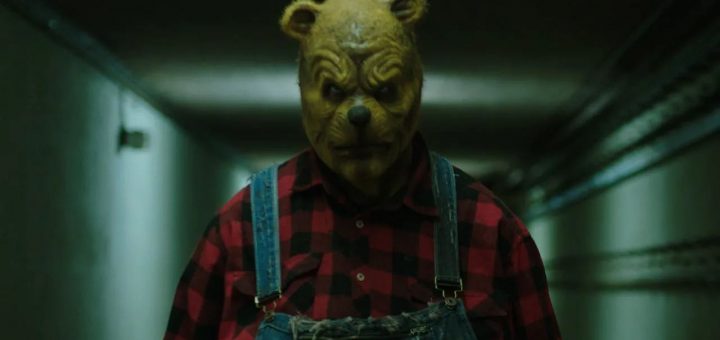
We discuss how the sequel goes meta by treating the first movie as a film-within-the-film, allowing recasts and retcons, and how the movie leans into extreme, Terrifier-style gore with a huge rave massacre and creative kills. We break down the updated creature designs—especially Owl as a mastermind and Tigger’s Freddy-inspired vibe—plus Christopher Robin’s added backstory involving a mad scientist, kidnapped children, and Pooh revealed as his brother Billy. We also cover the ending, mid-credits tease of Pooh and Piglet returning, and the franchise’s planned crossover “cinematic universe.”
We talk about why Cage is unfairly maligned, how this film captures Lovecraft’s bleak, unknowable cosmic horror, and why the movie’s cinematography and surreal color effects are such a standout. From the meteor hitting the family farm to the contaminated well water, warped time, and terrifying body-horror transformations, we break down what worked, what felt unnecessary (including some exposition), and why the film still lands as a gorgeous, disturbing ride. We also compare story vs. movie elements, discuss the ending’s lingering dread, and touch on director Richard Stanley’s comeback and hoped-for Lovecraft trilogy.
Shot on location in Boston, it leans on familiar tropes—black gloves, an obscured killer, and a whodunit investigation—but stands out with stylish, restrained beheading set pieces, clever editing, and memorable sound design. We walk through standout sequences like the aquarium kill and the restaurant “stew” fake-out, debate the soapier relationship drama around Professor Millet and Eleanor, and react to the reveal of the killer and a lengthy motorcycle chase. By the end, we agree it’s well-made and visually strong, even if watching so many early ’80s slashers back-to-back dulled the impact.
We talk about how the film’s Jakarta-to-remote-village setup builds atmosphere, the boldness of its dialogue and staging, and the gorgeous candlelit cinematography inspired by shadow puppetry. Along the way we unpack the twisty mystery, the curse at the heart of the village, and the film’s disturbing violence, including the skinning and the chilling connection between human skin and puppet-making. We also debate the movie’s big exposition dumps, its cultural specificity, and why—subtitles and all—it’s still a compelling, well-made horror story worth seeking out.