2 Guys and a Chainsaw

Tagged: comedy

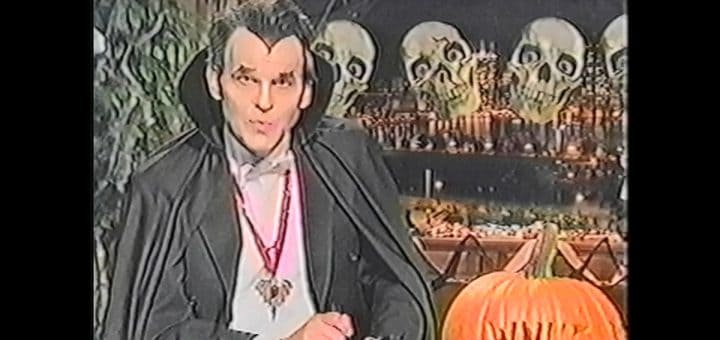
A person dressed as a vampire sits in front of Halloween decorations, including skulls, a Hack-O-Lantern, and a pumpkin carved with the letters “WNUF.”. 1

WNUF Halloween Special

We dig into how convincingly it recreates the era—VHS degradation, nonstop regional commercials, and corny local-news Halloween coverage—and why it works best as nostalgic “party atmosphere” rather than a sit-down scare. We break down the funniest bits in the opening news segments, the repetitive ad structure that undercuts tension, and the ultimately chaotic haunted-house special involving a rude host, paranormal investigators (and their psychic cat), an exorcist, and a cult-driven finale.
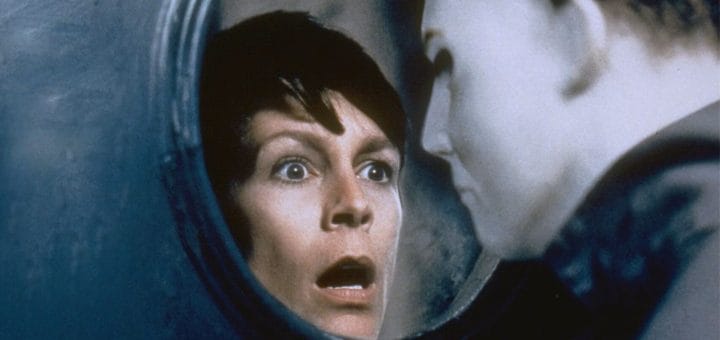
A terrified woman with short dark hair stares through a circular window at a blank-faced figure in a white mask, evoking the tense and suspenseful atmosphere of a classic cult film or vintage horror movie. 0

Halloween H20

We talk about why the movie feels so different from Carpenter’s first two films—more jump scares, more comedy, and a less-mystical Michael Myers—while still appreciating Jamie Lee Curtis’s return as a traumatized, alcoholic Laurie Strode living under an assumed name. We break down the opening with Loomis’s nurse, the tense rest-stop sequence, the teen cast (Josh Hartnett, Michelle Williams), the Janet Leigh cameos and Psycho nods, and the finale Laurie vs. Michael, including the controversial “definitive” ending and how the next sequel undermines it.

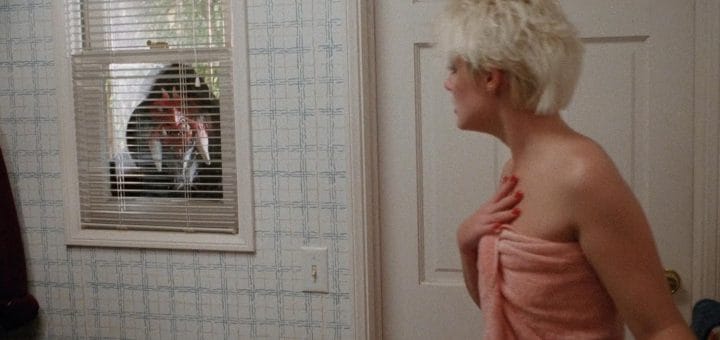
A woman in a towel looks startled as she sees a hooded figure staring at her through a window with blinds in a bathroom, evoking the chilling suspense of a scene straight out of the 1988 horror movie Hack-O-Lantern. 0

Hack-O-Lantern

We talk about how the movie’s “so bad it’s good” charm comes from its community-theater-level acting, baffling plot turns, random musical dream sequence, and over-the-top grandpa cult leader performance, while still delivering serviceable gore and nonstop seasonal vibes perfect for background viewing at a Halloween party. We break down the major story beats—Tommy’s cult grooming, inexplicable killings, a chaotic party climax, and a twist ending—then share why this scrappy DIY mess feels like classic late-night cable Halloween viewing and a fun way to start our month of Halloween picks, plus details on upcoming episodes and Patreon extras.

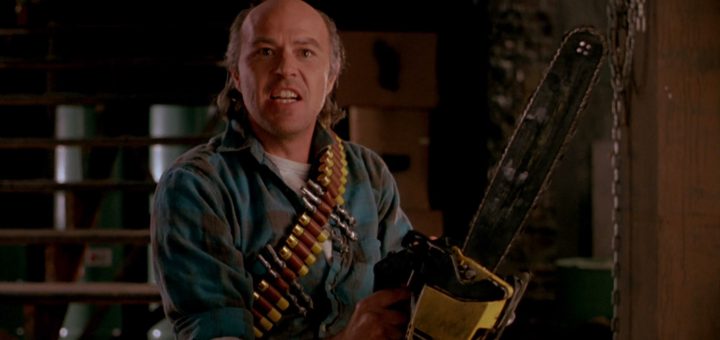
A man in a plaid shirt with a shotgun shell bandolier holds a large chainsaw indoors, looking intensely forward. Cardboard boxes and stairs are visible in the background. 0

Phantasm II

We talk about Bannister’s unique career and background and how Reggie evolves here into a more action-hero figure. We break down how Universal’s higher budget and studio demands changed the sequel’s tone—more linear, more action-driven, recasting Mike, and adding love interests—while losing some of the original’s dreamlike surreal horror. We discuss the road-trip structure, psychic subplot, mixed lore elements, standout practical effects, memorable set pieces, and the ending’s reset, plus where the series goes next and why we might revisit later entries like Ravager.

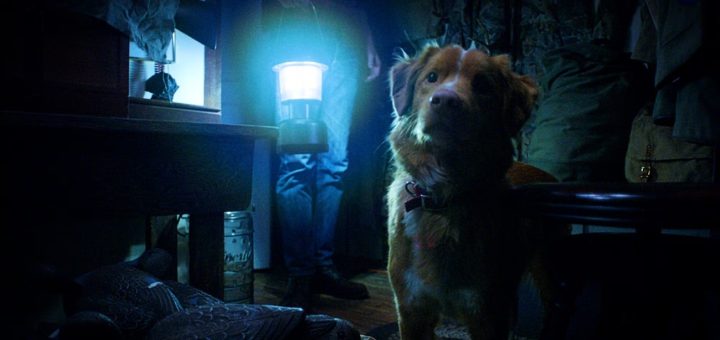
A dog with reddish fur stands indoors, looking up. Behind it, a person holds a bright lantern, casting a blue light in a dimly lit room filled with furniture and bags. 0

Good Boy

With that out of the way, we dig into 2025’s Good Boy, a low-budget haunted-house horror told largely from a dog’s perspective, and talk about why it’s basically 75 minutes of being up close with Indie (and why that’s either a feature or a bug). We cover the film’s SXSW buzz, long shoot with an untrained dog, and surprising box office success, then unpack what worked for us: the eerie atmosphere, subtle shadowy scares, dream/vision sequences, and the ambiguity around whether the cabin is haunted, the family is cursed, or we’re just watching death creep in as the owner grows sicker and more unstable. We also discuss pacing, the fox trap subplot, the muddy “reaper” finale, and why the dog-centered viewpoint makes the story uniquely unsettling—plus, yes, the dog doesn’t die.

An SES vehicle and several people stand near a lit riverbank at night, with trees in the background and the light reflecting on the water. 0

Lake Mungo

We walk through the central tragedy of 16-year-old Alice’s drowning, the family’s grief, and the subtle escalation of eerie evidence—dreams, noises, strange photos, and hallway camera footage—before unpacking the film’s major twists. We talk about how the movie plays more as a drama about mourning and uncertainty than a straight ghost story, why some turns feel contrived, and why the final montage retroactively makes the whole experience linger. We also touch on the ongoing appeal of true-crime and mock-doc horror and what makes this one worth watching.